
Social Groups
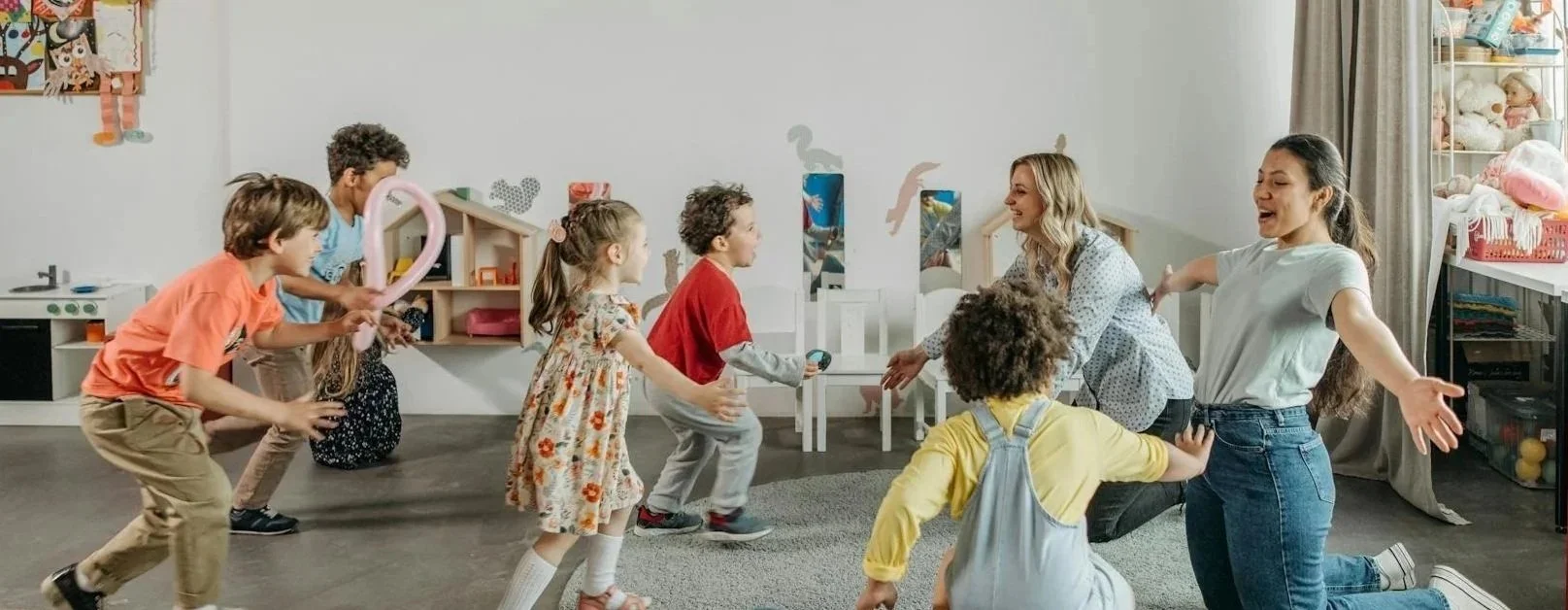
A warm, play-based therapy group where children build friendships, grow their voice, and learn to navigate big feelings together.
Weekly sessions offered Monday through Thursday, 2:30-3:30 PM
Ages 18 mo – 3 yrs
For the Littles
For toddlers who are a little language-delayed, or simply need a richer speech and language experience, our youngest groups offer early language stimulation through play, movement, and joyful connection. Every activity is designed to build communication in a way that feels natural — because at this age, learning is playing.
Preschool – 5th Grade
For Growing Kids
As children grow, so do the social demands placed on them. Our older groups use a Social Thinking® curriculum to help children understand the perspectives of others, manage big emotions, and apply their social skills in real-world settings — with explicit instruction and lots of guided practice.
A Great Fit For
-

Homeschool kids who need structured peer socialization
-
Children with sensory processing disorder, ADHD, or speech and language differences
-
Kids who look great on paper but struggle in group settings
-
Girls who've gone undiagnosed and need a safe space to build social confidence
Key Areas Of Development
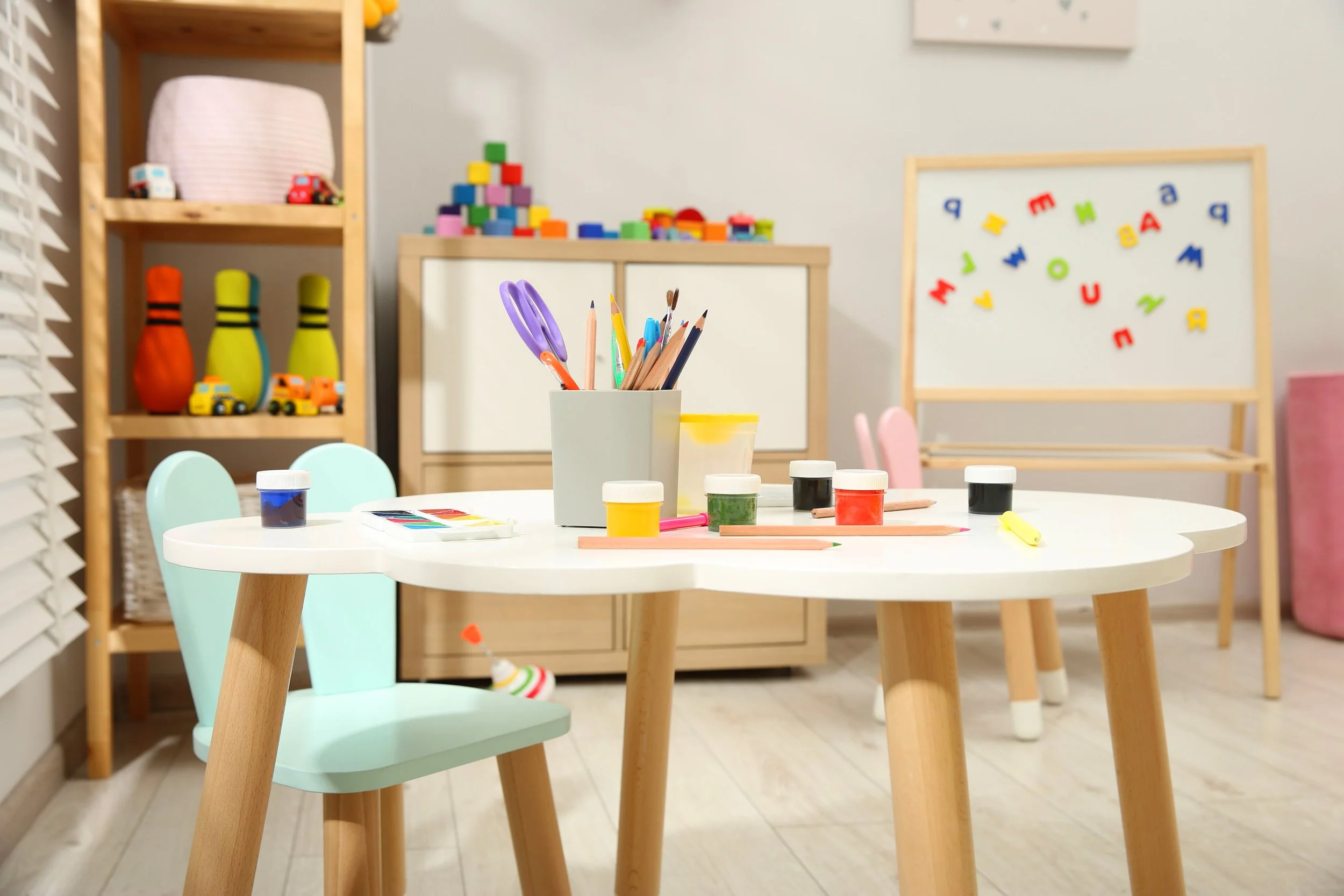
Cooperative Play & Group Activities: We facilitate meaningful interactions through shared experiences, helping children learn the joy of collaboration.
Communication & Social Interaction: Our sessions emphasize the nuances of verbal and non-verbal cues to build stronger interpersonal bonds.
Emotional & Self-Regulation: We provide children with the tools to understand their feelings and manage their responses in a variety of social settings
For the Littles
When learning is playing.
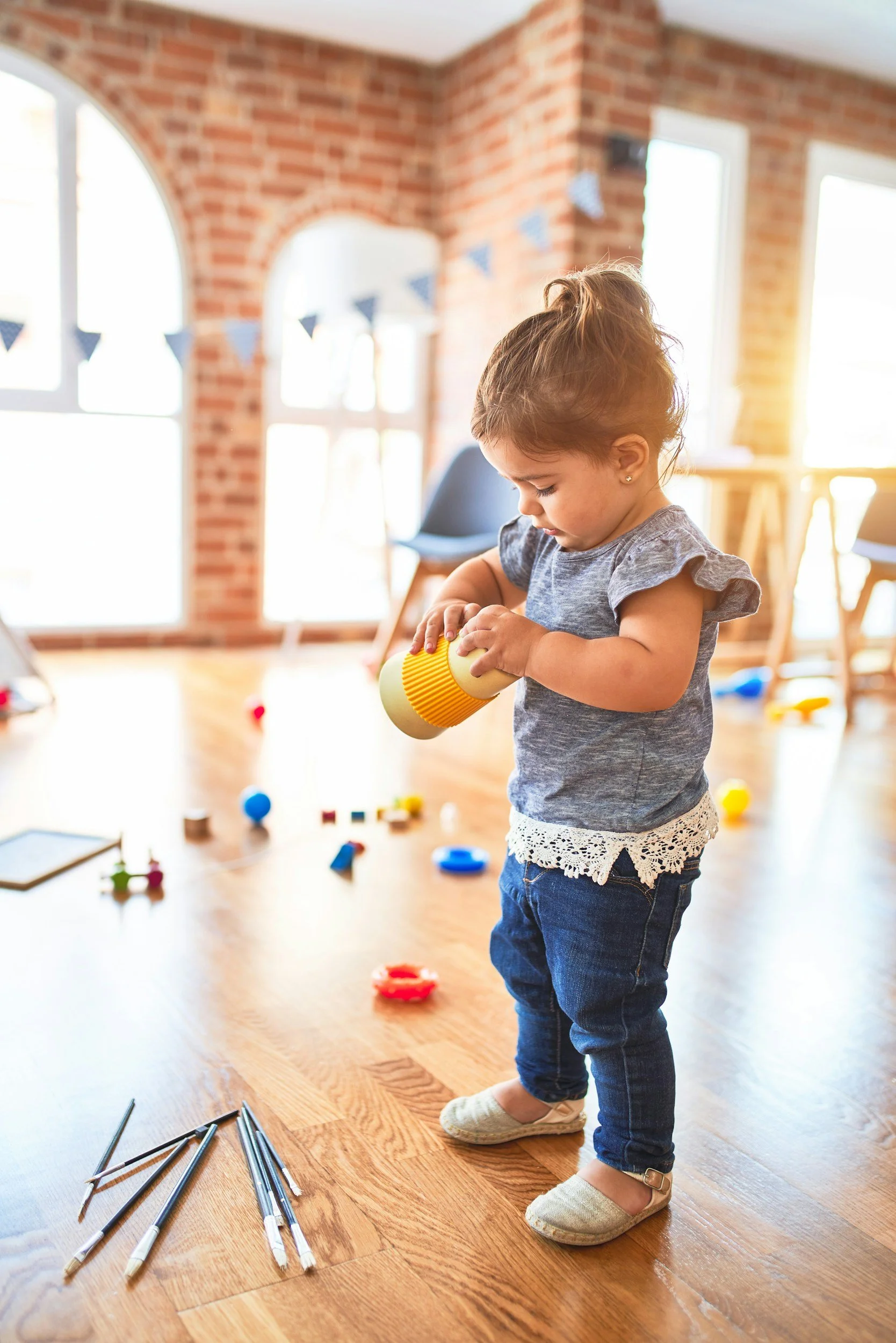
For toddlers who are a little language-delayed, working through childhood apraxia of speech, or simply need a richer speech and language experience, our youngest groups offer early language stimulation through play, movement, and joyful connection. Every activity is designed to build communication in a way that feels natural — because at this age, learning is playing.
Early language stimulation
Sensory-rich play
Joint attention and engagement
Apraxia-friendly cues
For Growing Kids
The social world, made visible.
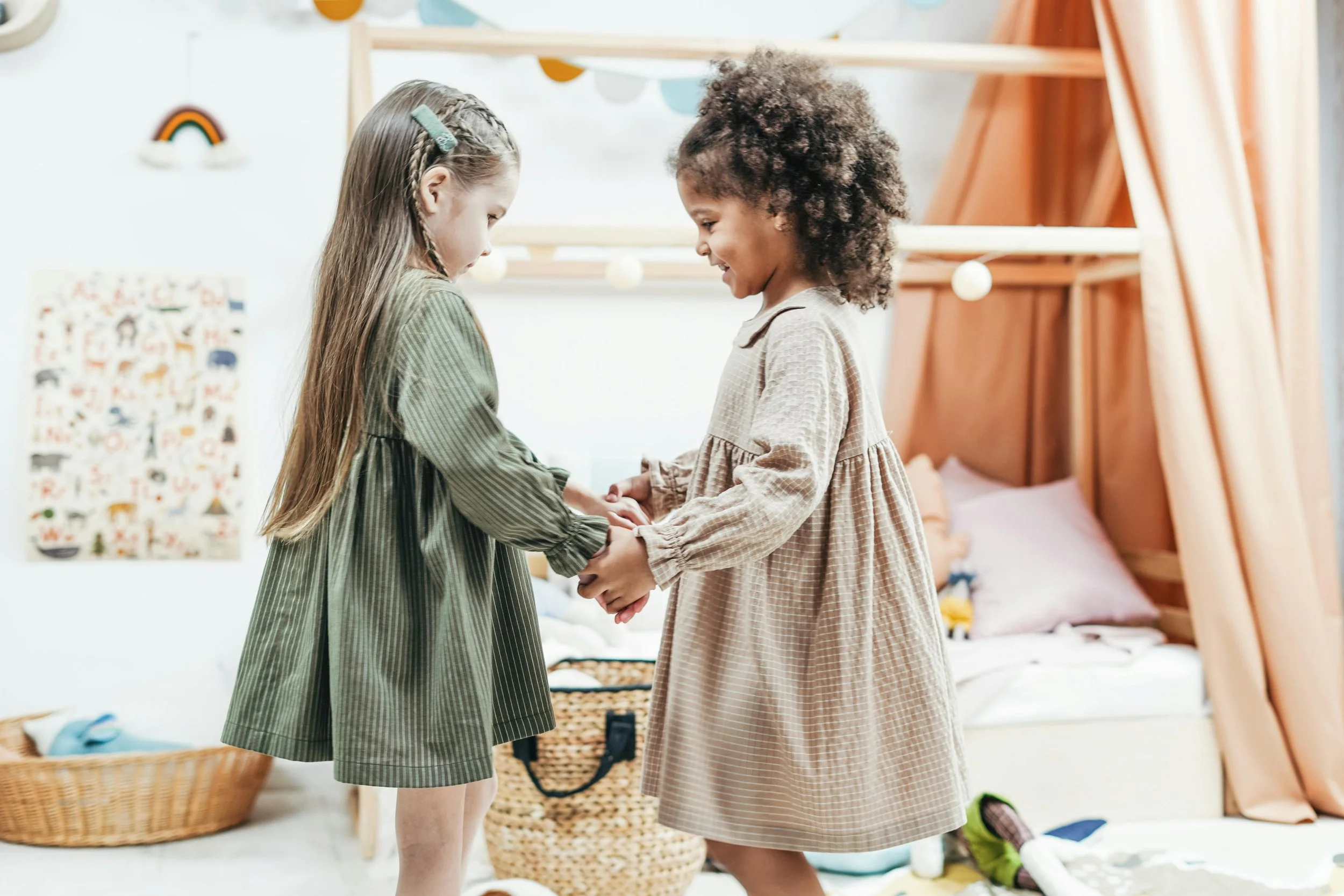
As children grow, so do the social demands placed on them. Our curriculum helps children understand others' perspectives, manage big emotions, and apply their social skills in real-world settings through explicit instruction and ample guided practice.
Perspective-taking
Flexible thinking
Conflict repair
Friendship skills
Meaningful connection
Ready to take the next step?
I’d love to meet your family.