
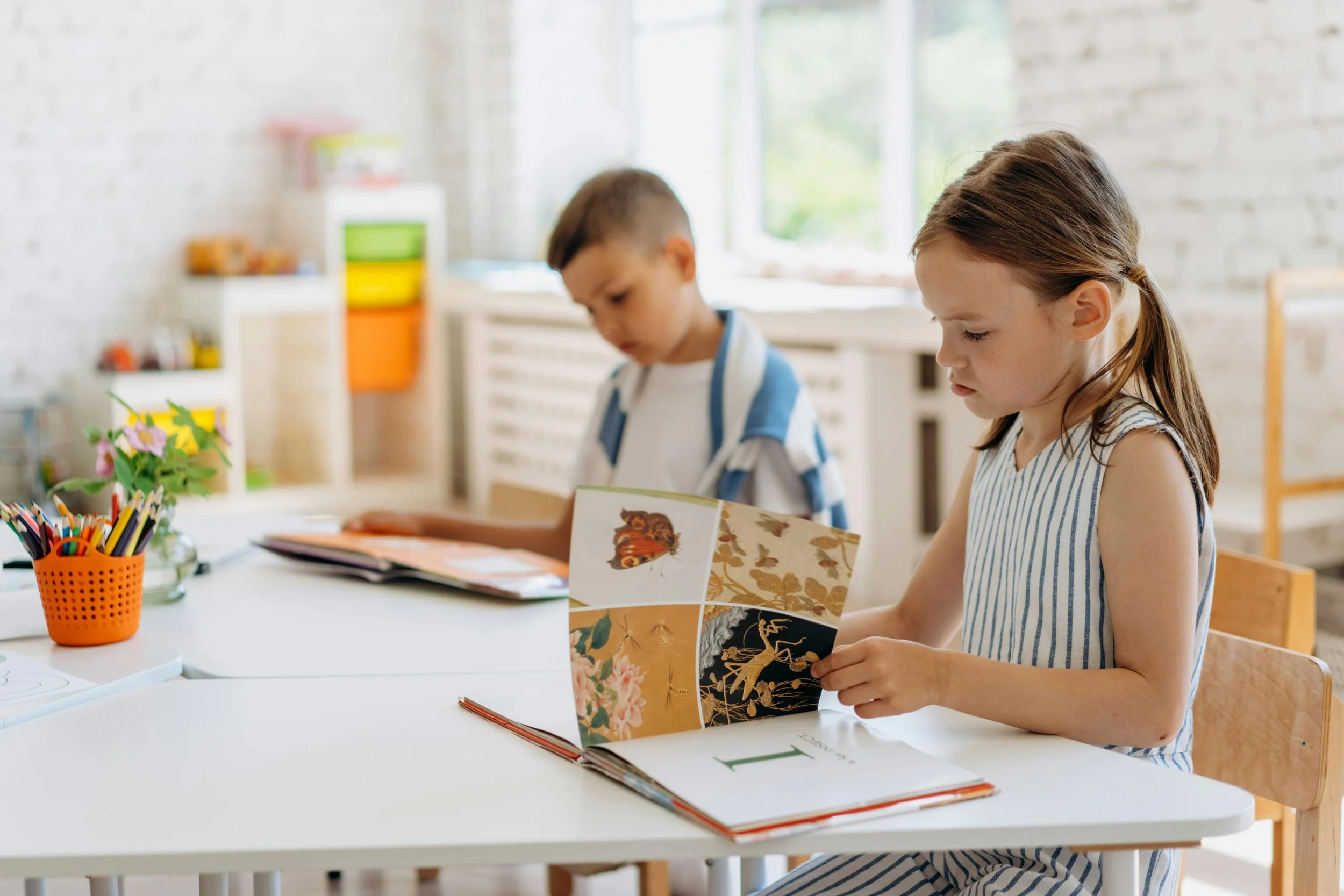
Bridge to Kindergarten
For little learners who need more time, more movement, and more hands-on play before kindergarten arrives. We build the foundation with letters, language, and the quiet skills underneath it all.
Click here to see the 2026-2027 Schedule.
-
3-6 Year Olds
Pre-K & Kindergarten
-
2.5 Hours
Per Session
-
8 Weeks
Per Term
Flexible Scheduling -
4 Children
Per Group
Why Bridge to Kindergarten Exists
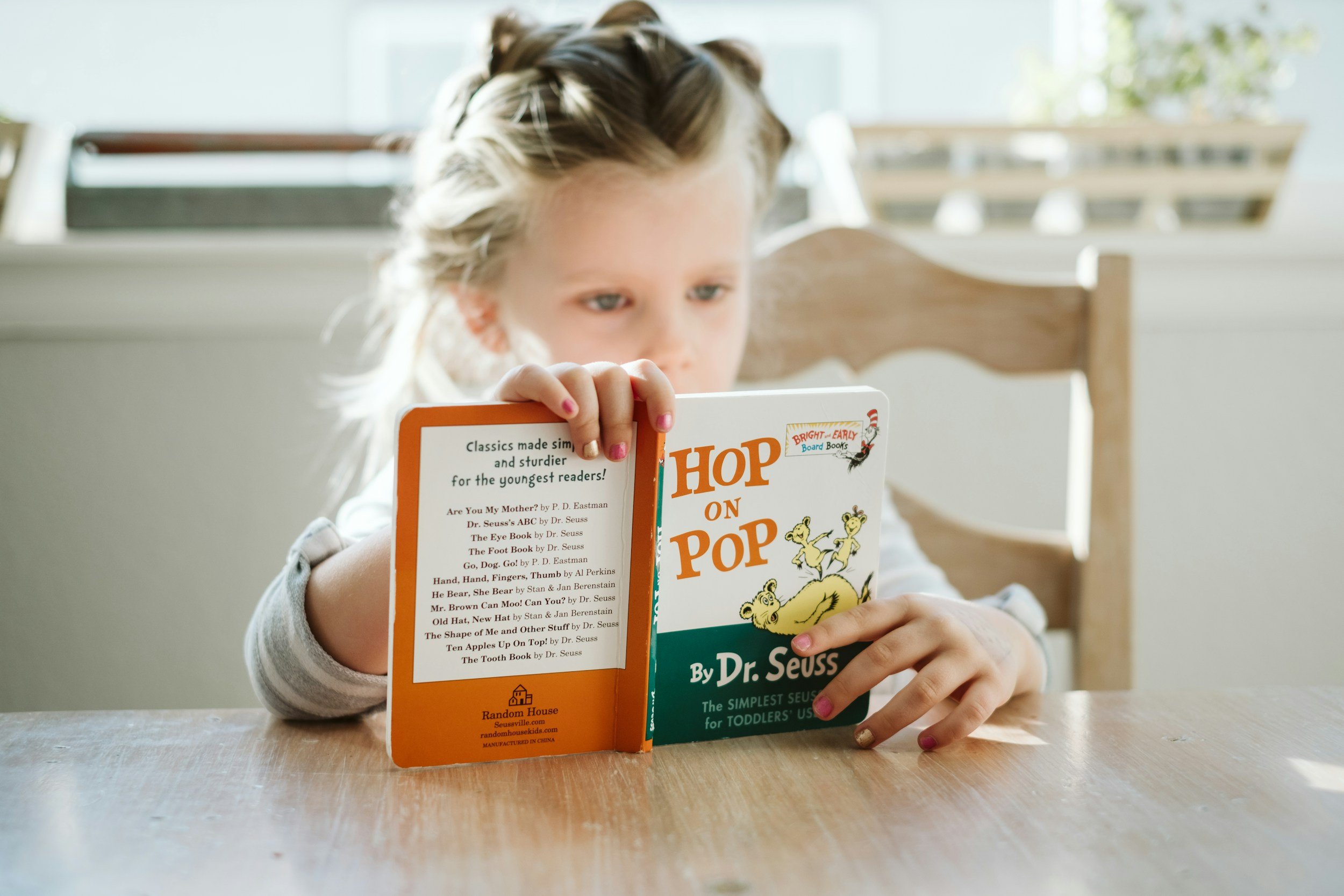
Some children arrive at kindergarten ready to read, raise their hand, and sit on a carpet square. Others need a slower runway— more dough, more sand, more songs, more grace. Bridge to Kindergarten is that runway.
What's Inside
A specialized pre-literacy program that meets little learners where they are.
Bridge to Kindergarten was built for the kids who need a little more — more time, more movement, more hands-on experience before the demands of kindergarten arrive.
Whether your child is a Pre-K 4 gearing up for their first year, a child taking a second year to build confidence and readiness, or a homeschool kindergartner who needs structured literacy in a small-group setting, this program was designed with them in mind.
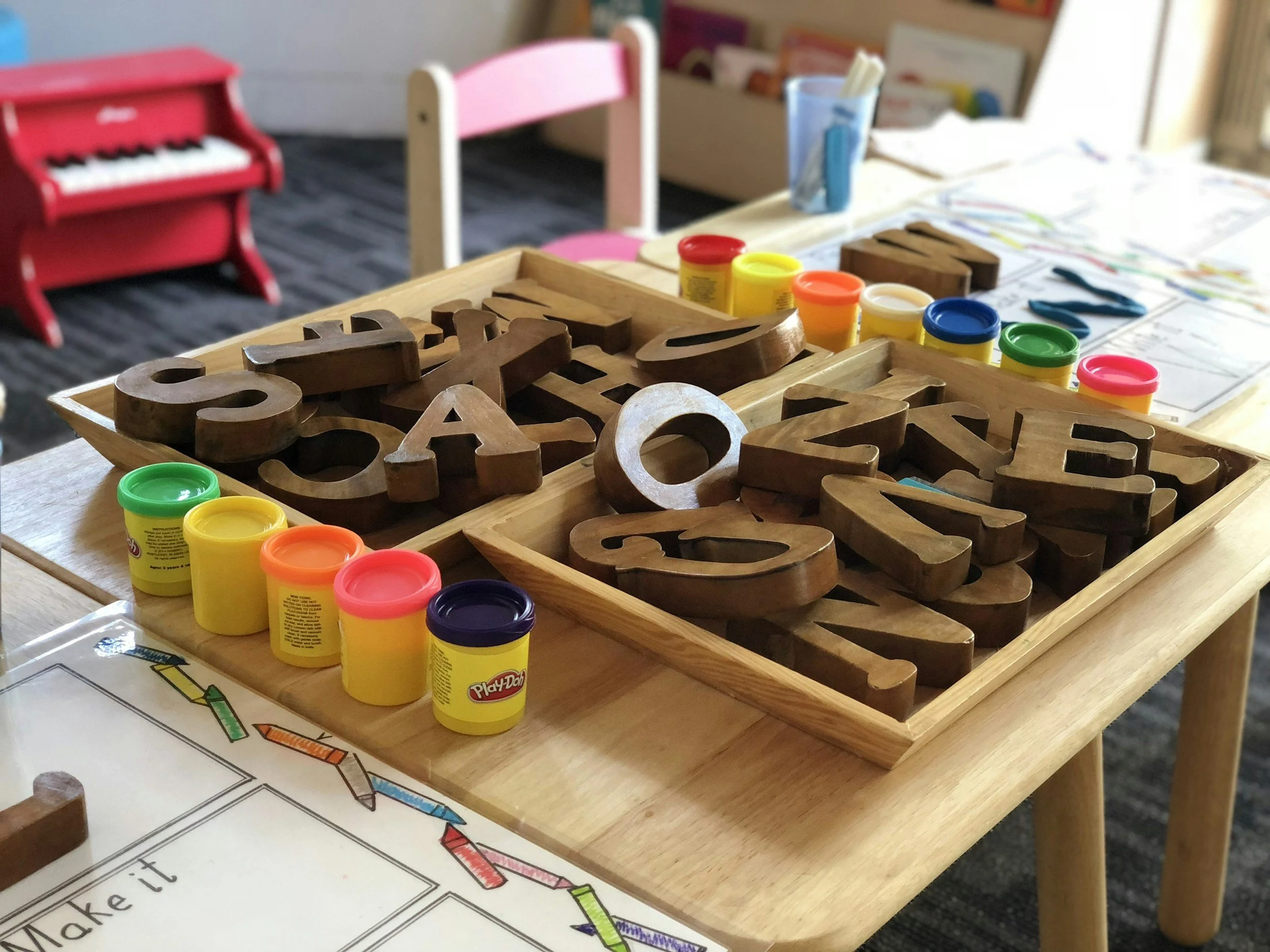
Using the Orton-Gillingham approach with explicit, systematic, multisensory instruction, children learn letters through their whole bodies, rolling them out of dough, drawing them in sand, building them with blocks, and tracing them in the air. Sessions weave together early literacy, executive functioning, and social-emotional regulation so children arrive at kindergarten not just knowing their letters, but feeling ready and capable.
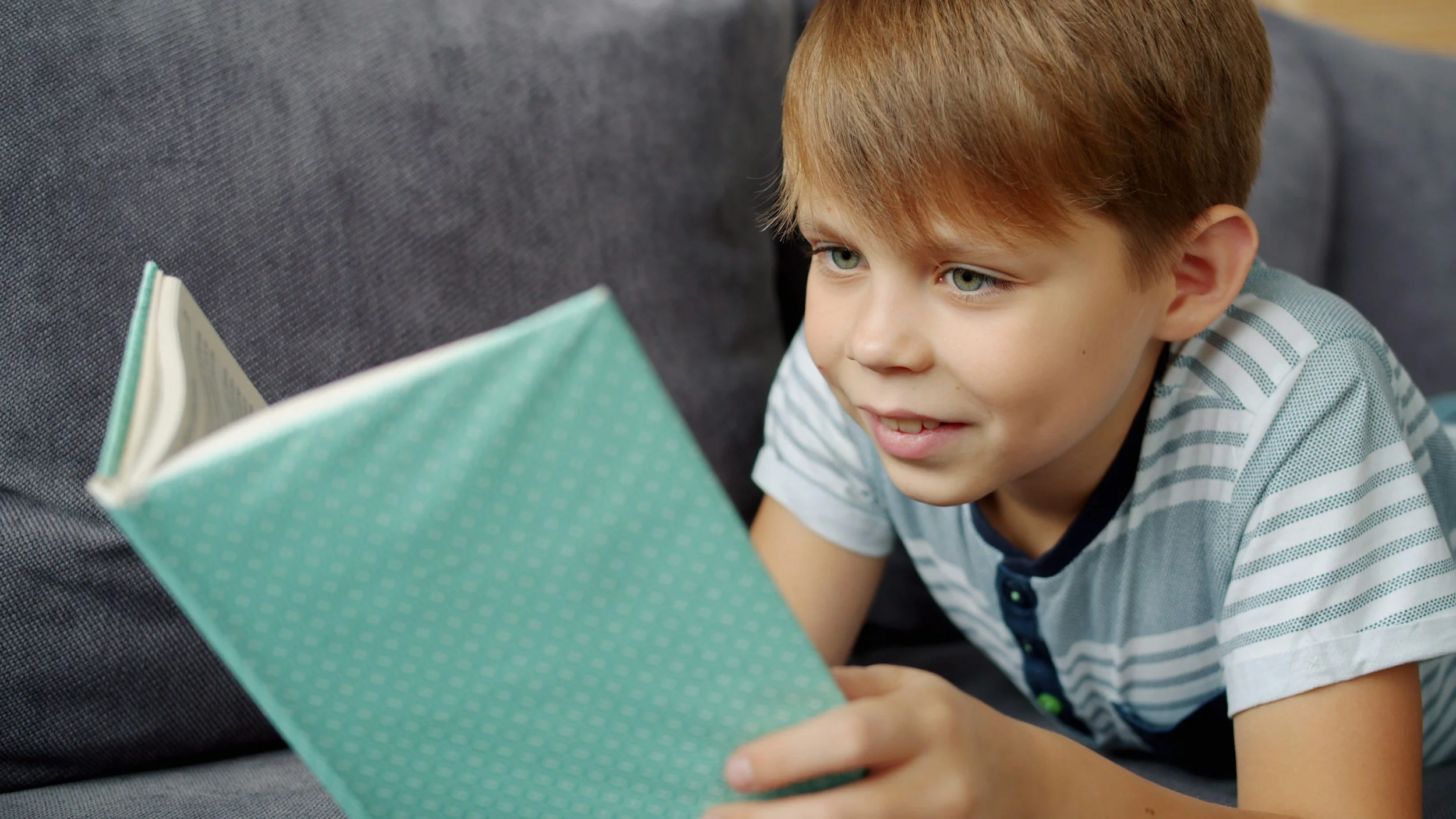
Orton-Gillingham Foundations: Explicit, sequential instruction proven to work for dyslexic learners
Social-Emotional Support: Helping children with big feelings build confidence, self-regulation, coping skills, and meaningful social connections with others.
Multisensory Learning: Letters in clay, sand, blocks, and movement because not everyone learns by sitting still
Progress & Reporting: Families receive regular updates on goals, progress, and next steps
A day with us
Two and a half hours, gently structured.
-
1
Arrival
Soft landings
Each child is greeted by name, settles in with a sensory bin, and finds their visual schedule.
-
2
Circle
Sound of the day
Songs, movement, and a focused phonemic awareness lesson rooted in Orton-Gillingham.
-
3
Hands-on
Letters with the whole body
Dough, sand trays, chalk walls, building blocks — letters become things you can touch.
-
4
Snack & Talk
Connection time
Practicing turn-taking, asking for what you need, and the language of friendship.
-
5
Closing
Big feelings, small tools
A short regulation lesson — breathing, stretching, naming feelings — before goodbyes.
What we build
The six skills underneath kindergarten readiness.
Reading readiness isn't just letters. It's the whole architecture: attention, regulation, language, and play, woven together so your child arrives capable, not catching up.
Phonemic awareness
The sound foundation under every word your child will ever read.Letter knowledge
Names, sounds, and shapes — learned through the whole body, not flashcards.Executive function
Following routines, transitioning, persisting through hard moments.Self-regulation
Naming feelings, finding the breath, asking for help when it's big.Social fluency
Sharing space, taking turns, and the everyday give-and-take of group life.Pre-writing skills
Hand strength, pencil grip, and the motor patterns letters require.
Small groups fill quickly.
We'd love to talk through the right fit for your family.
Sessions run in 8-week terms beginning August 2026, with morning and afternoon options. Reach out for current openings and the full term calendar.